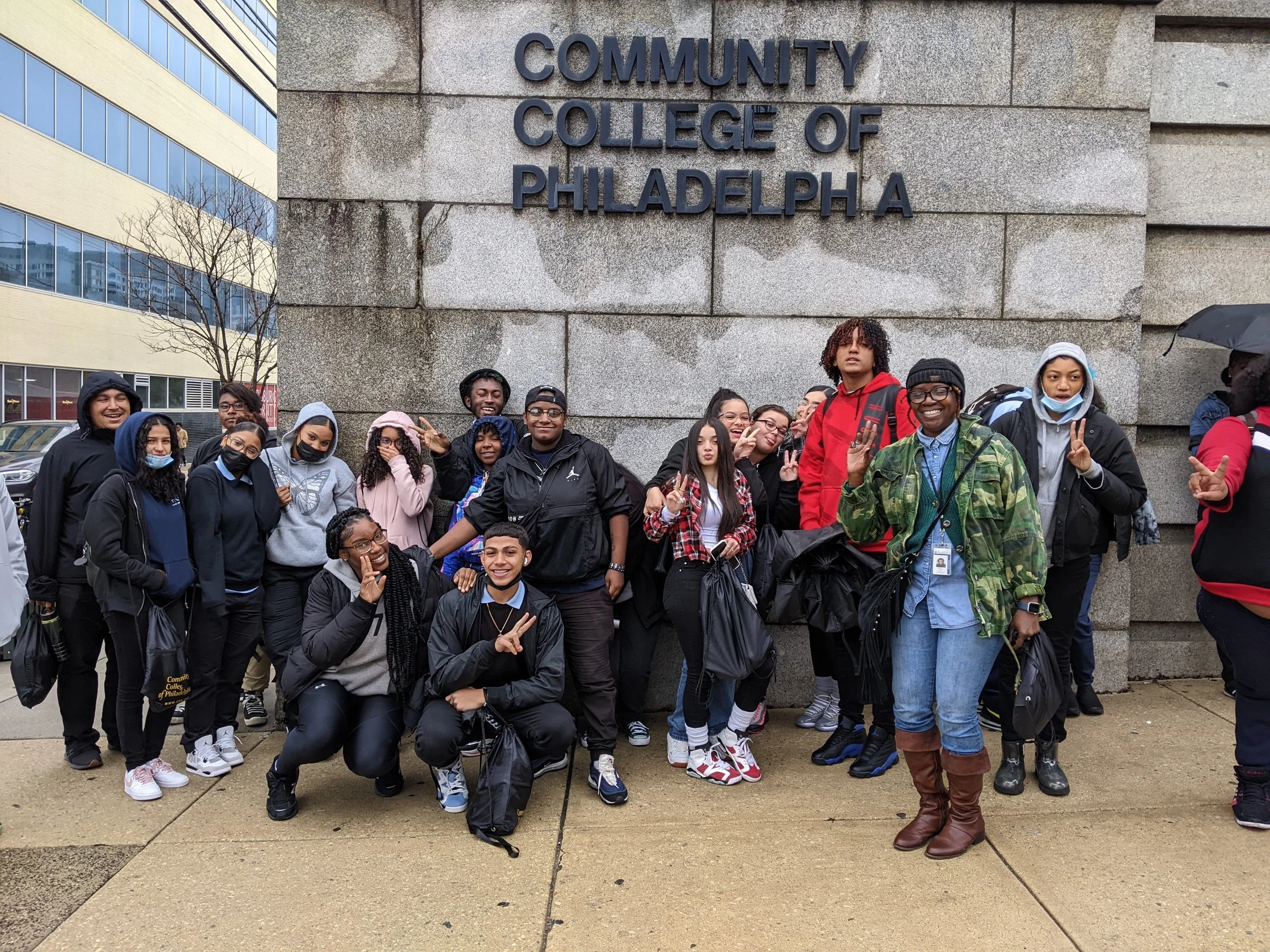
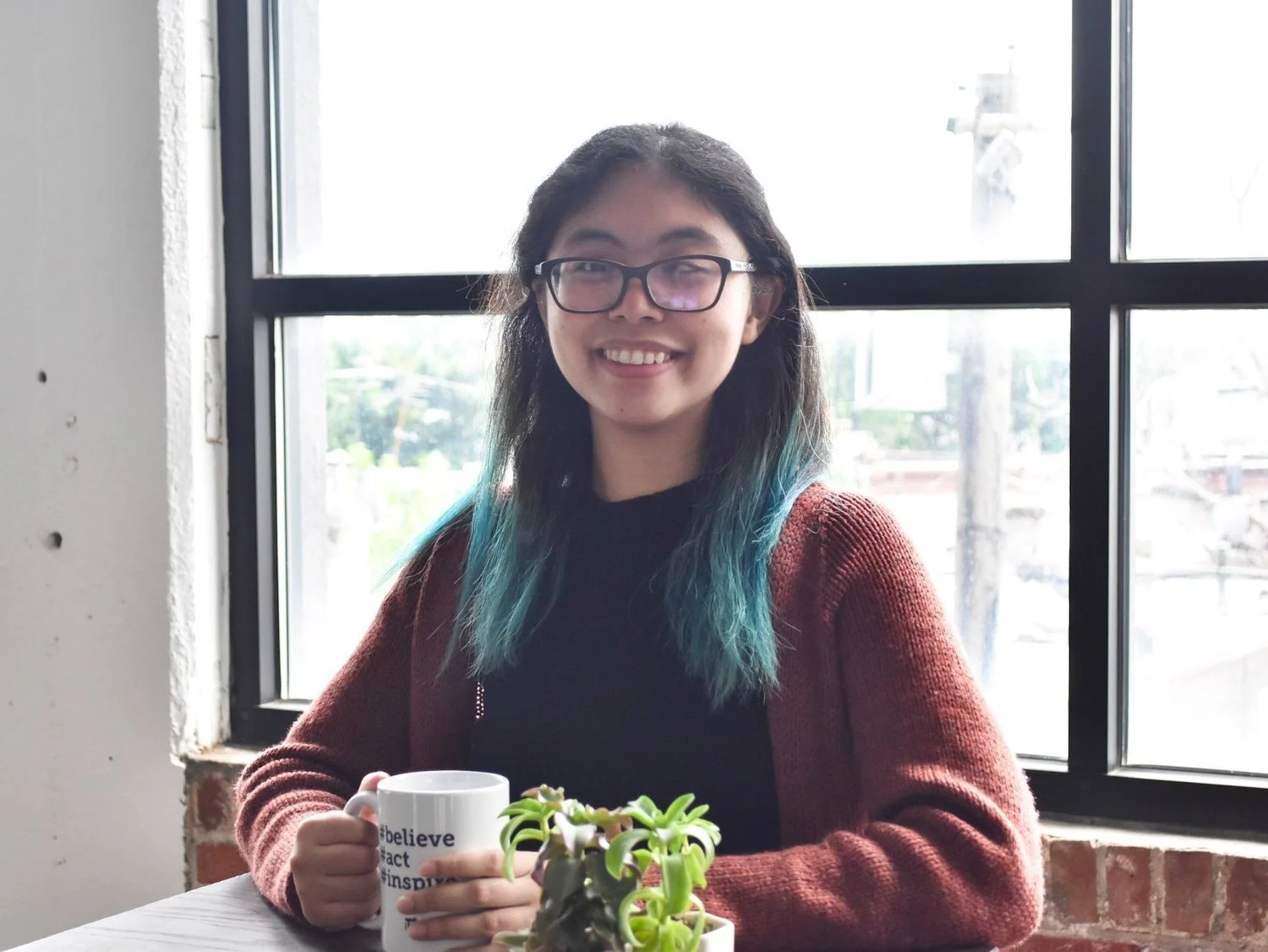
Life of a Fellow: Gale
Gale is one of our newest Fellows at The LINC! Though it’s never easy setting a foundation (especially at one of our newer partner schools), Gale, alongside members of our on-site team at The LINC have done an amazing job building up the postsecondary readiness culture for the students. As this school year comes to a close, we’ve learned a ton. Continue reading on to see how her first school year has been at The LINC!
“Ms. Gale, I’ve had a lot of teachers tell me that I can punch my ticket anywhere I’d like to go… but will those places be a good fit for what I need?”
The student’s gaze pierces through me like a fine-tuned laser, carrying the weight of an education curtailed by the pandemic and other life challenges that I could never truly understand. Having had my college education disrupted by the pandemic, I empathize with the experience of having some of the most formative moments and milestones ripped out from under you and being forced to move forward with your life. But for our students—many of whom are the first of their families to achieve said milestones—the aftermath of a broken (still breaking) system still shapes their decisions as they question what they are prepared to do.
“What if I do everything that I possibly can do to get into these places—and I don’t make it? What if I fail and come back without anything to show for my efforts?”
From seniors to newly minted freshmen—everyone has asked a version of these questions throughout the year. Months later, now approaching the eleventh hour of decision day, the gravity of our advice feels a lot more real. For our seniors, this is their futures on the line. And even for the underclassmen, the looming pressure of making a life-altering decision can breed anxiety about what they can be doing to prepare for what comes after high school.
To all the students who have confided in me about this, I give a version of this response: “…Whether or not those programs have what you need—that is for you to decide, but you also need to be honest with yourself.”
As advisors, we walk a fine line between providing guidance based on the students’ goals and supporting students as they come to conclusions about what’s best for them of their own accord. We help students navigate the complexities of FAFSA and applications to different programs. We give them a glimpse of the possibilities and opportunities that exist within and beyond the LINC. We are mirrors and sounding boards to every kind of question, epiphany, and declaration on even the most trying days. We provide a refuge whenever school or life becomes too much to handle—usually in the form of Rubik’s cubes, intense chess matches, and discussions about the brighter moments of our day.
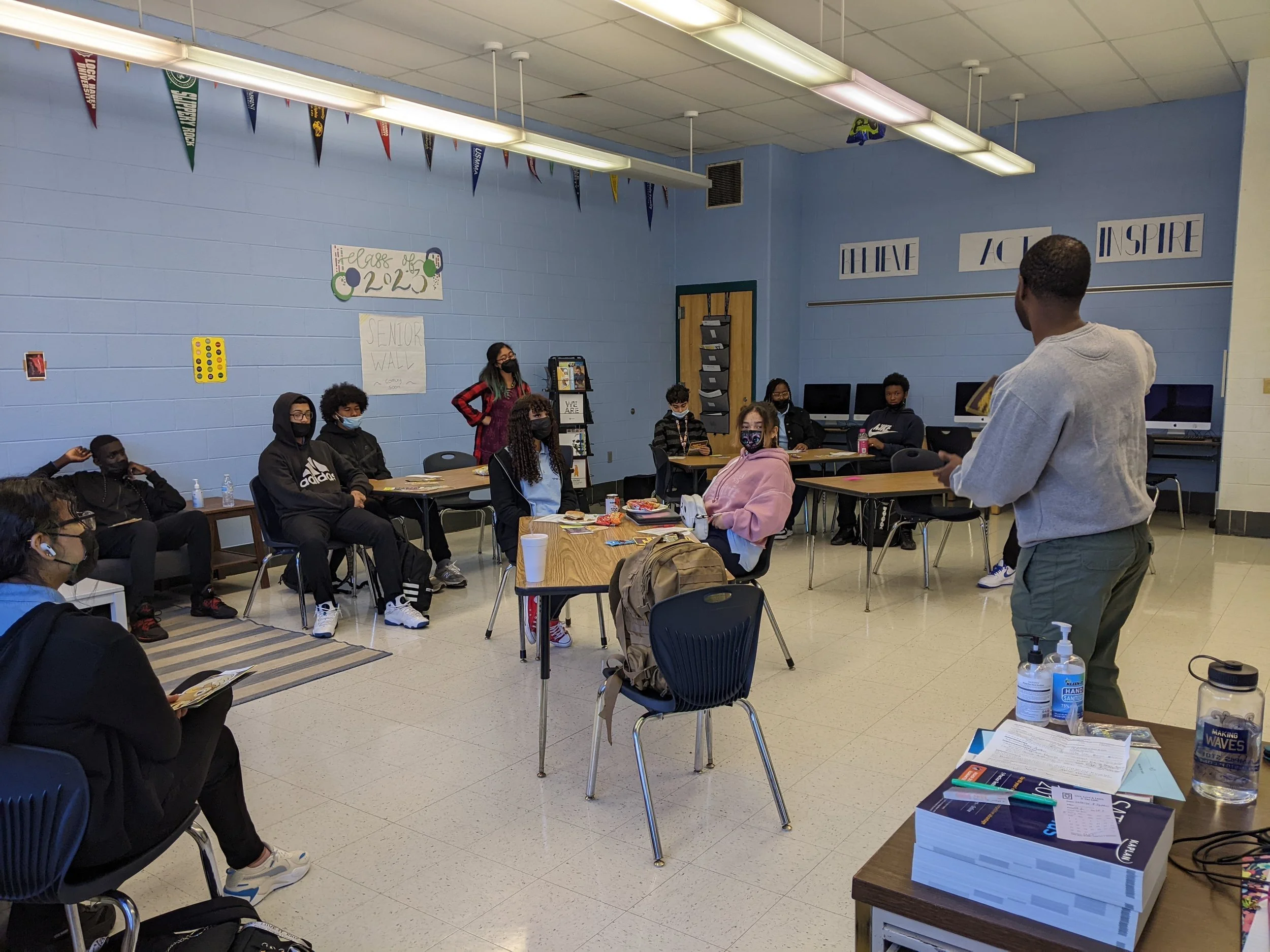
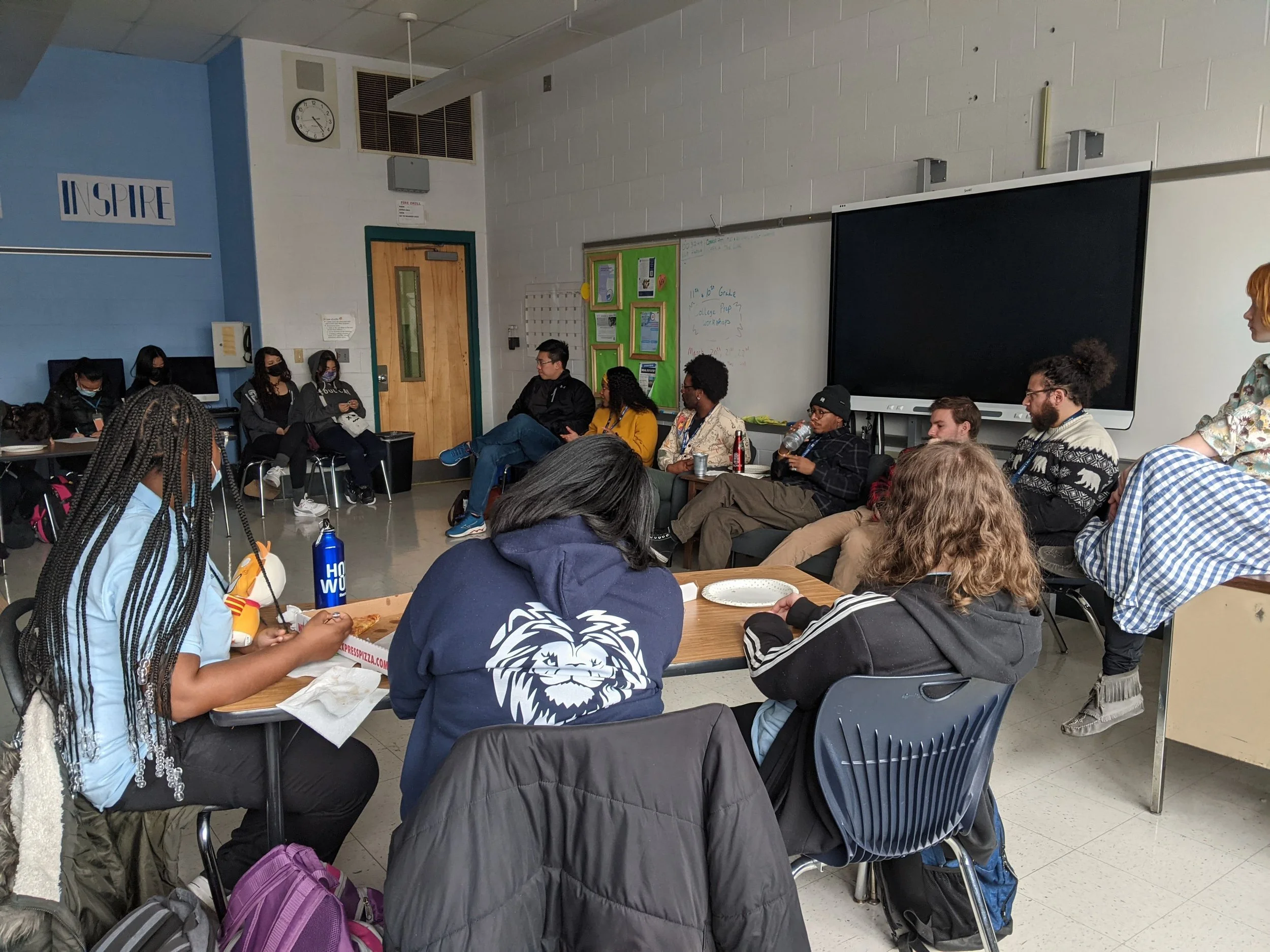
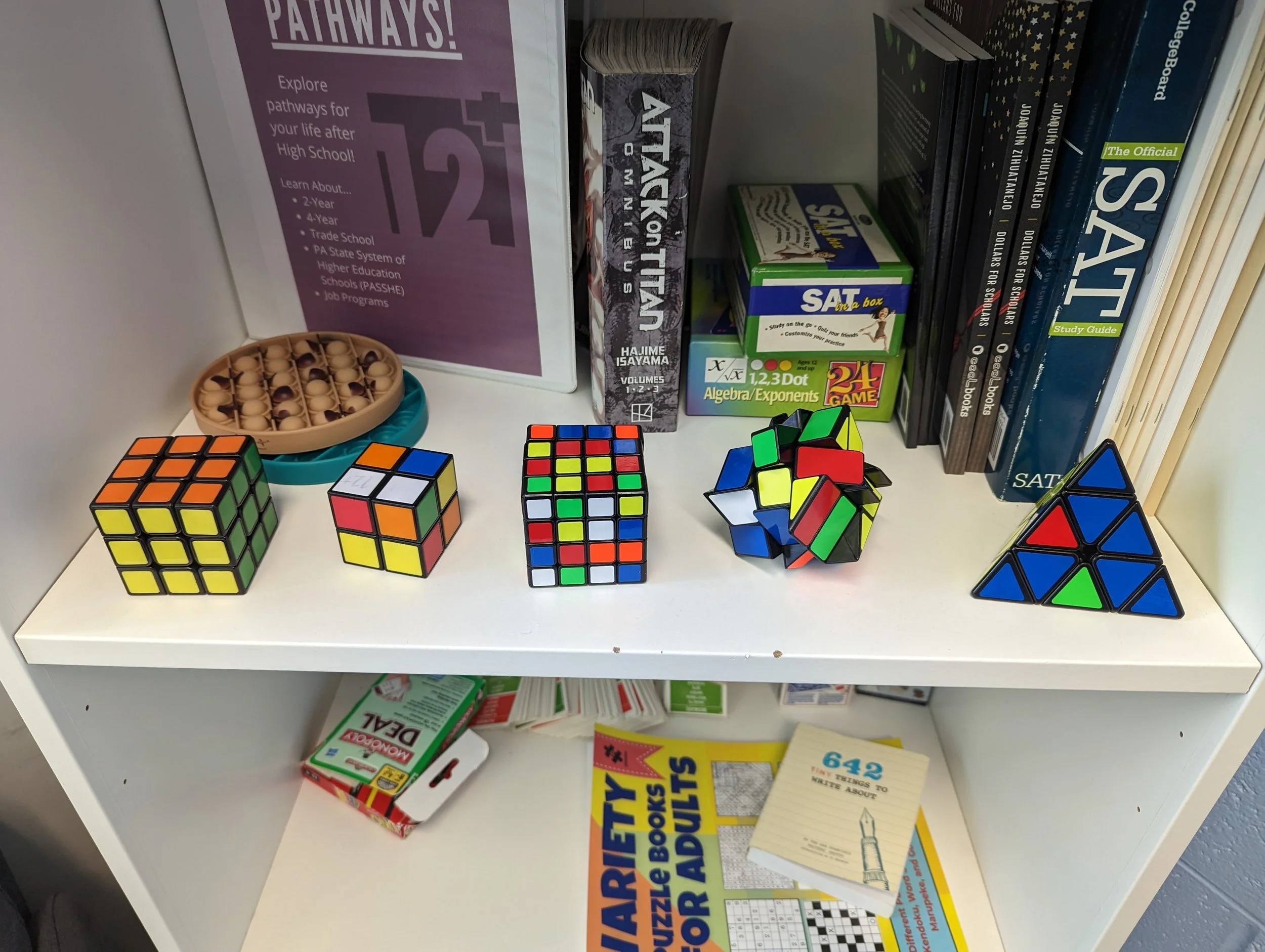
Most importantly, we can give our students, especially the underclassmen, more time. In building a culture of postsecondary readiness, we have been more intentional this year about integrating our presence and programming into the wider school ecosystem. We deliver workshops to all four grade levels at least once a month during their seminars on topics ranging from the importance of GPA to a crash course on job searching and youth labor laws. We invite underclassmen to weekly program visits, field trips to college and trade school, and program fairs. We make ourselves available to students who want to start planning ahead or have questions about what aspects of their high school education are essential for their future. On one occasion, we have even collaborated with the math department in helping them execute their career exploration and systems of equations unit. We don’t claim to be magicians; systemic issues within education won’t resolve themselves overnight. But at the very least, we can build a program at the LINC where students are exposed to information and opportunities younger so that they are coming to these decisions more informed and assured by their own choices by the end of their senior year.
“—And once you have committed to something, do the absolute best that you can. Make the most of the opportunities that come your way so that you don’t leave with any regrets.”
And after a brief pause, if a student doesn’t have an immediate obligation after this (often) impromptu aside of their day, I would add, “Especially make the most of your failures. Learn how to fail and give yourself the grace to outgrow who you were before. If you have to slow down, tend to your wounds, or take a completely different turn, that’s okay. Trust that you are doing something right, even if you change your mind.”
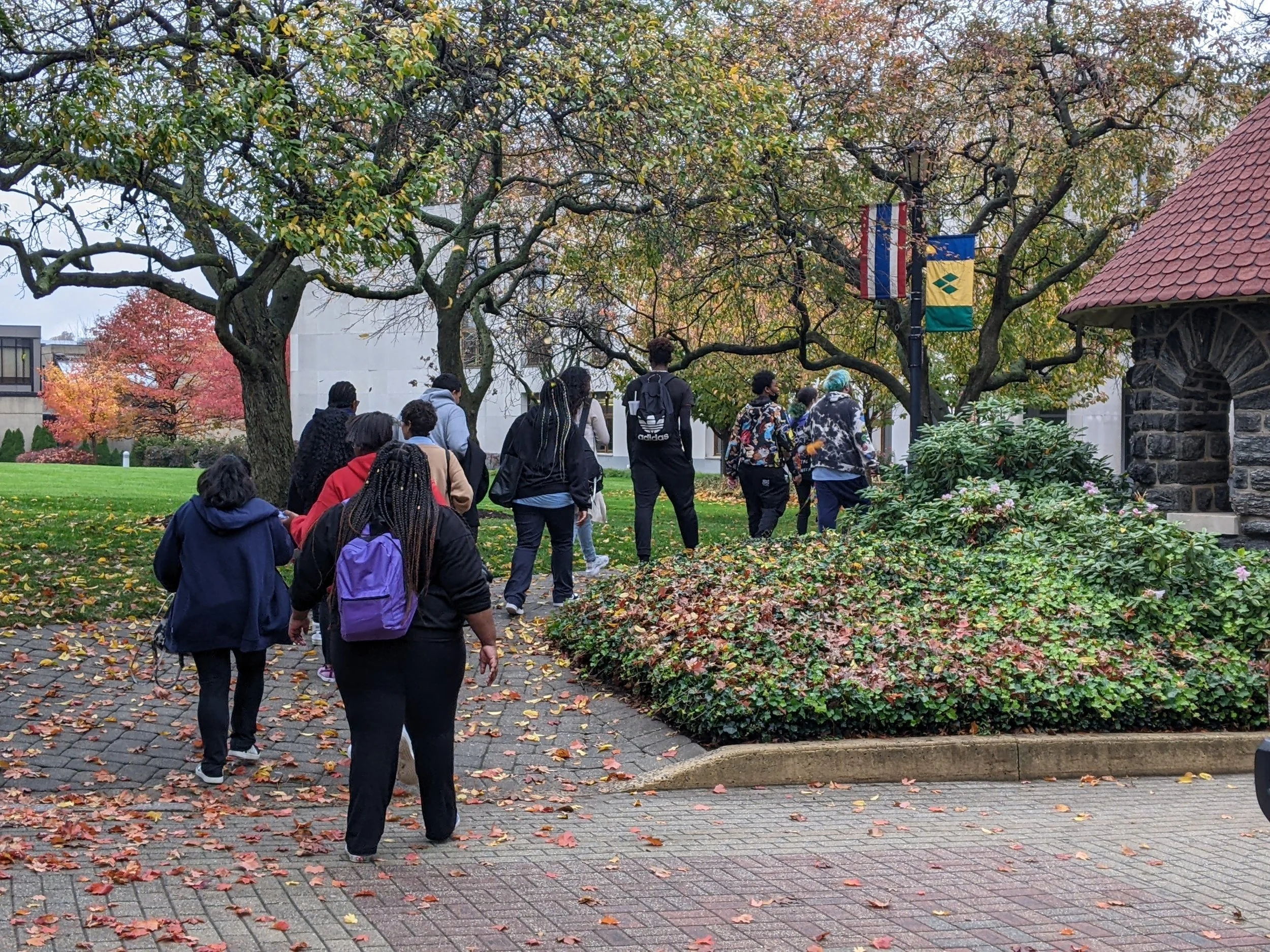
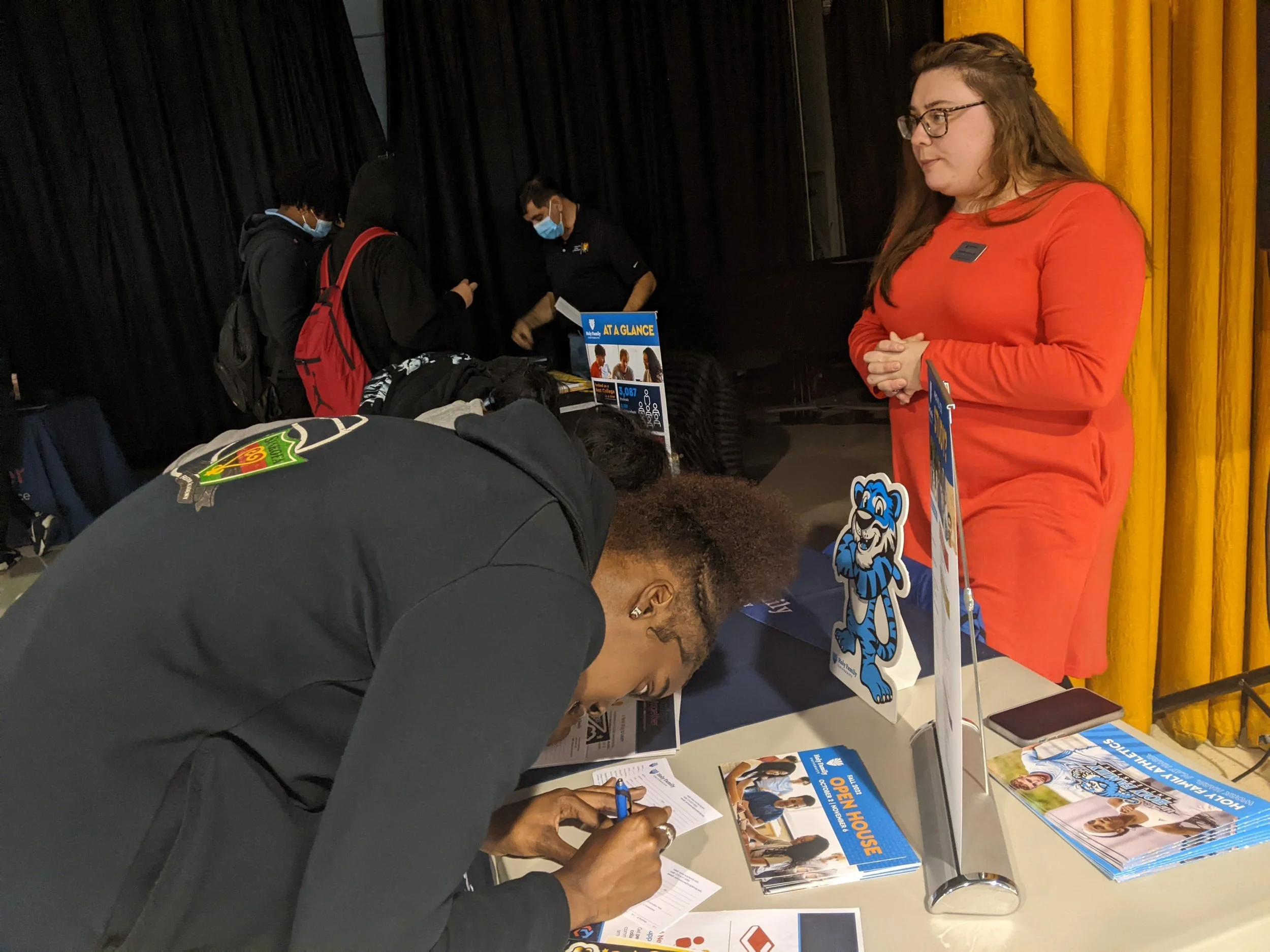
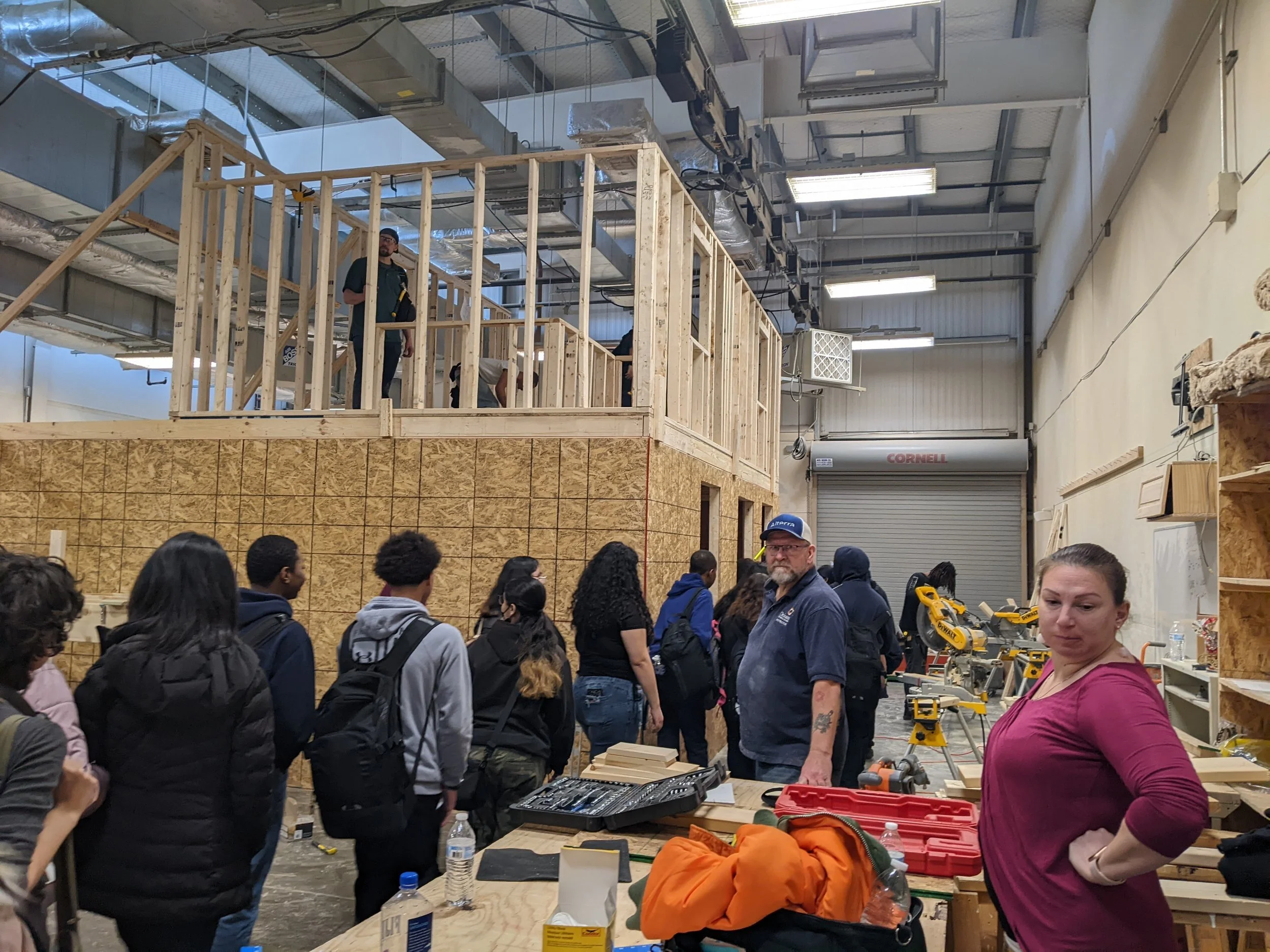
Ultimately, their lives are their lives; we are just one of many people at the LINC who help them recognize their beautiful potential and be empowered to see it through. We want students to embrace the fact that they can rely on their judgment to carry them through the next chapters of their own lives—and that they can do so with their heads held to the skies. We model this through our advising and the personal anecdotes that occasionally weave into these talks. But seeing our students create these moments for themselves is something to behold…
“I’m gonna take the ASVAB in a few months and take a long break after graduating. I want to spend more time with my family before enlisting in the military. I will stay in touch with the recruiter guy to stay on top of things, but… yeah. I think that’s what I’m going to do.”
“That’s it then. I’m going to Arcadia… All my tuition is covered. It’s out of the city. There are affordable apartments nearby. I can find things that I’m interested in. Arcadia has everything I want. I think I can do this!”
…Even when some of these moments break your heart a little, especially when they involve circumstances outside of the students’ control.
“I… don’t think trade school is going to work out right now. I’mma try to get my license and try to apply to this other trade school, but if it’s too late, I want to try applying again next year.”
“Miss, there’s too much going on in my life to even think about college right now. I know I’m not ready. I wanna work first, earn enough to get my own place, and be stable before I do anything else.”
Still, as emotionally charged as these reckonings have to be, many of our students have created silver linings out of recognizing their limitations.
“I get that it’ll be hard to get into this apprenticeship, but I’m open to getting some work experience to make it happen in a year or two. That program from PECO looks real interesting. Can you send me a link to that info so that I can talk over it with my mom?”
“After seeing how hard college work can be, I don’t want to start at Arcadia anymore. It’s not gonna be a good fit for what I can do right now. But with CCP, I can build a portfolio of my work, get my requirements out of the way, and then transfer to Arcadia and do a study abroad program in France! It’s a lot cheaper. I get to ease myself into college-level work. And the real deal-breaker—I still get to work with 12PLUS!”
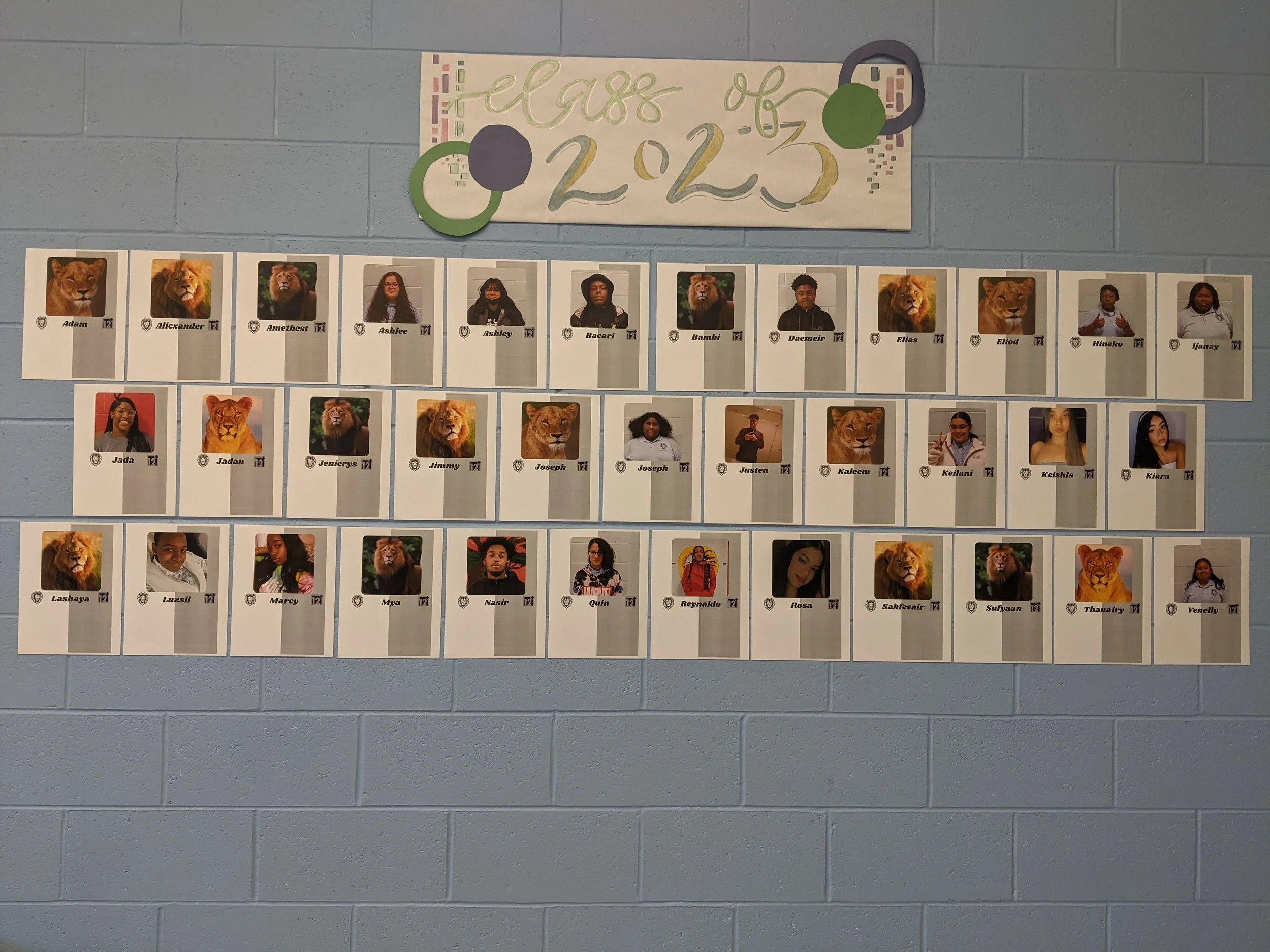
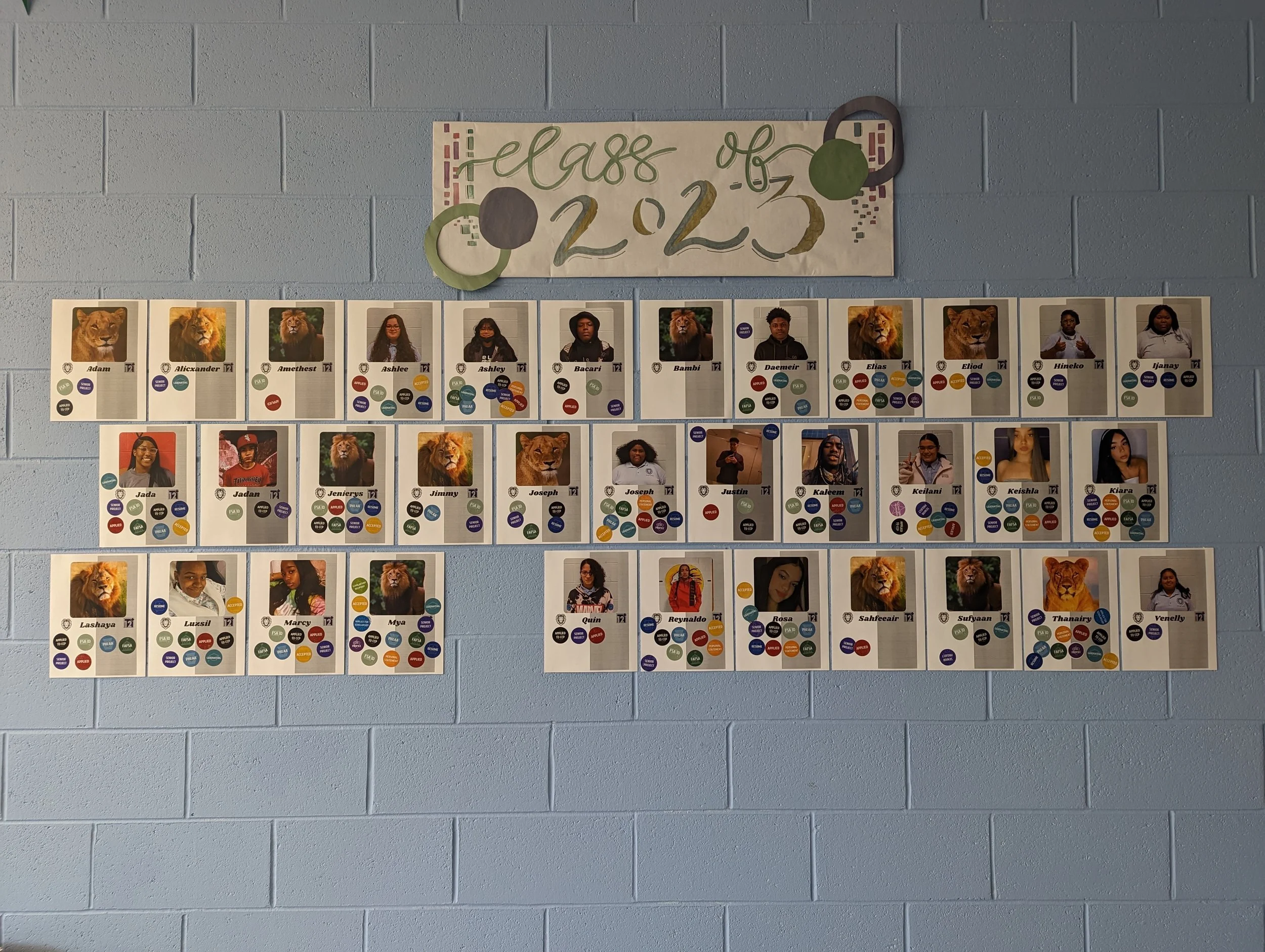
There is no greater joy in this job than seeing students confidently answer to their own doubts. Regardless of how our students move forward after the LINC, I hope that they can be proud of making it to where they are and look forward to who they have yet to become. And beyond the seniors, I hope that their efforts will trickle down in ways that surprise even the best of us. Perhaps some of the underclassmen might pass down their knowledge about workforce development programs to other colleagues we don’t even know about who go on to complete these programs. Younger siblings or cousins might know about FAFSA and applications from seeing their older siblings go through the process and reach even greater heights. Maybe even years later, a former student might be ready to make a big change and piece together remnants of our programming, ready to try again on their terms.
This is what creating a culture of post-secondary access looks like, in all its momentary triumphs and multi-generational complications. I am grateful to have contributed to this work even in its earliest stages, and I can’t wait to see how much this 12+ will grow at the LINC in the coming years—especially as I have recently made my own decision, amidst my turbulent job application season, to continue on with 12+ in a new role for the upcoming school year! Working at the LINC gave me opportunities to parse through different dimensions of what goes into shaping our students’ decisions for their plans after high school, and I hope to extend this work from the perspective of a classroom teacher and curriculum writer.
Still, I am in a similar position as many of my seniors. Now that I’m committed to a decision, where will it take me? How will I be challenged? How can I support myself and allow myself to be supported? Most importantly, in what ways will I also grow in the coming school year? What will I learn and who will I become? This back-and-forth anxiety about the future never truly goes away—and I do tell students that—but every time I go through it, I feel a lot lighter, a lot more open to being surprised for what’s to come.
And as the year comes to a close, I, too, hope that all of my students can someday feel the same.